Neelakurinji Blooms
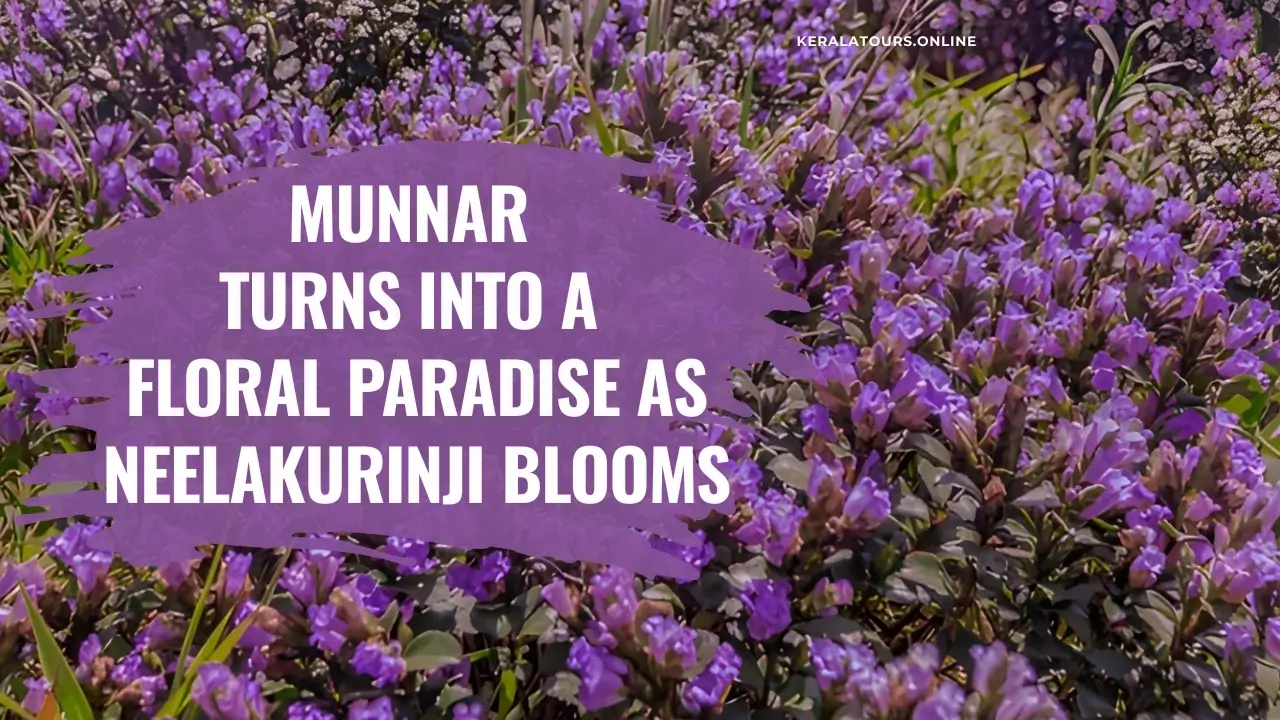
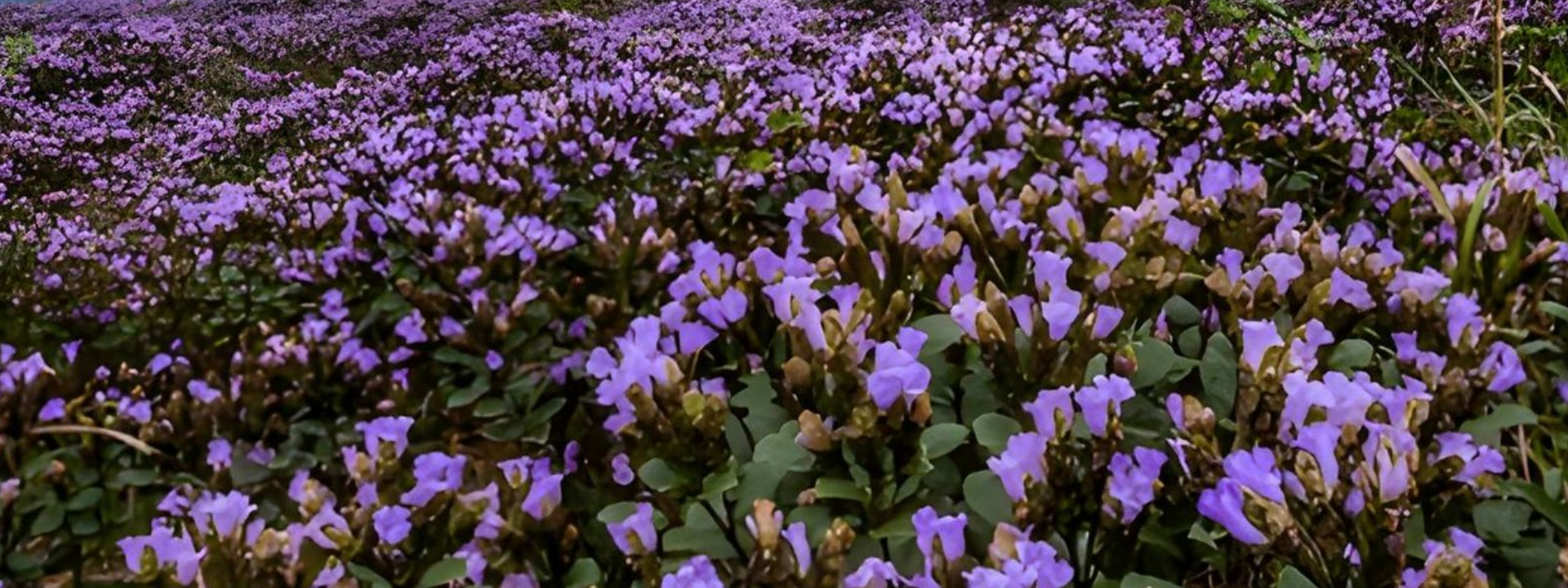
After nearly 12 years, Munnar’s high-altitude hills are once again turning shades of blue and violet as Neelakurinji flowers bloom in 2026. The most striking flowering is currently being seen around Chokramudi and Korandakkad near Mattupetty, with more areas expected to come into bloom as September progresses. This is a particularly special season for anyone hoping to witness the Neelakurinji bloom in Munnar, but it is worth knowing that the flowering is not happening across the entire region at once. The Chokramudi population is flowering this year, while the next major bloom at Eravikulam National Park is still expected in 2030.
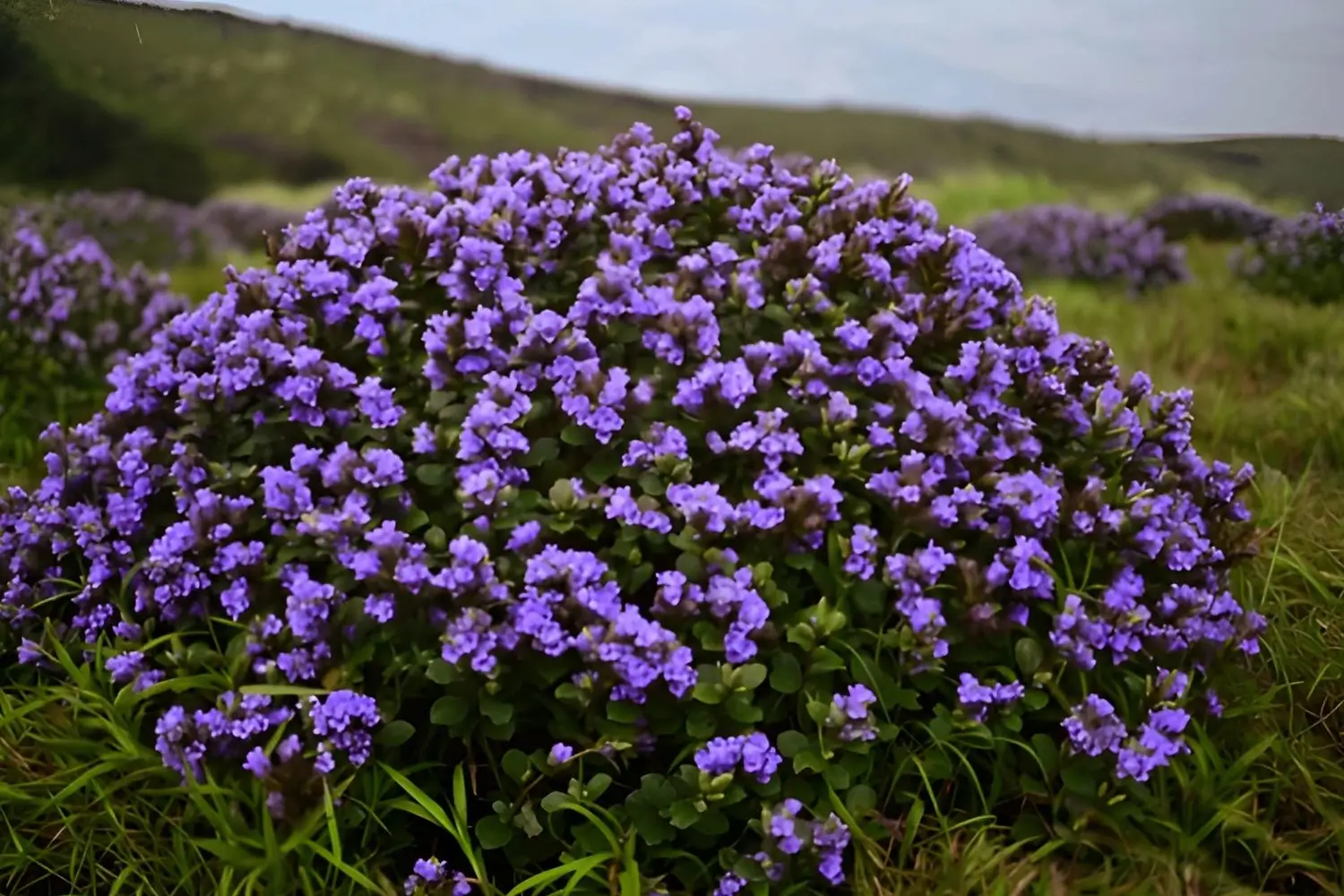
The hills around Munnar are witnessing one of their most anticipated natural events of 2026.
When Neelakurinji blooms across the hills at the same time, entire stretches of grassland can look blue and violet from a distance. What makes the sight even more unusual is that the plant does not flower every year. After blooming and producing seeds, the plants die, and a new generation slowly grows in their place over the years.
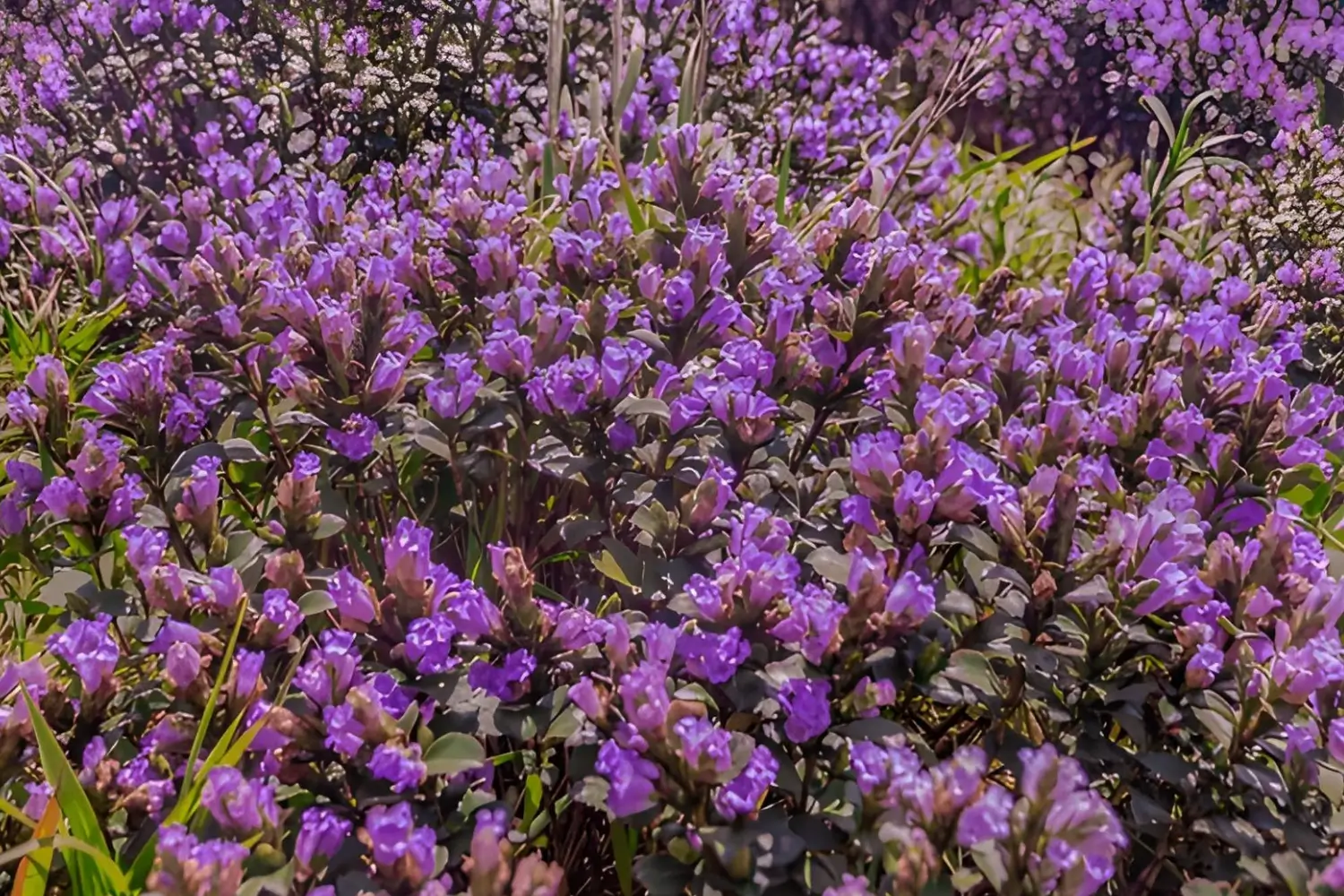
The bloom is currently at its most noticeable around Chokramudi and the Mattupetty–Korandakkad stretch. As the monsoon rains ease, flowering is expected to spread to more of Munnar’s higher slopes, bringing additional areas into bloom through September.
Areas being watched for further flowering include:
If seeing the Neelakurinji bloom in Munnar in 2026 is the main reason for your trip, Chokramudi is the place to focus on right now. The flowers are not spread across every Munnar viewpoint, so heading to a designated bloom area gives you a much better chance of seeing them in large numbers.
The flowering at Chokramudi has already attracted visitors, prompting the Forest Department to regulate access.
The tourist entry arrangements announced for the Chokramudi bloom include:
The flowers were expected to become more abundant around Onam, with the first week of September tipped as the likely peak of the bloom.
Meesapulimala is also seeing the 2026 Neelakurinji bloom, although flowering there has been slower to develop. Initially, only scattered patches were reported, and the area was to be opened to visitors once the flowers began appearing more widely.
The Kerala Forest Development Corporation (KFDC), which manages tourism at Meesapulimala, planned to keep visitor numbers controlled, with an initial limit of around 750 people a day. The proposed visit was also structured differently from Chokramudi, with a package costing around ₹1,200 per person, including travel and food arranged by the corporation.
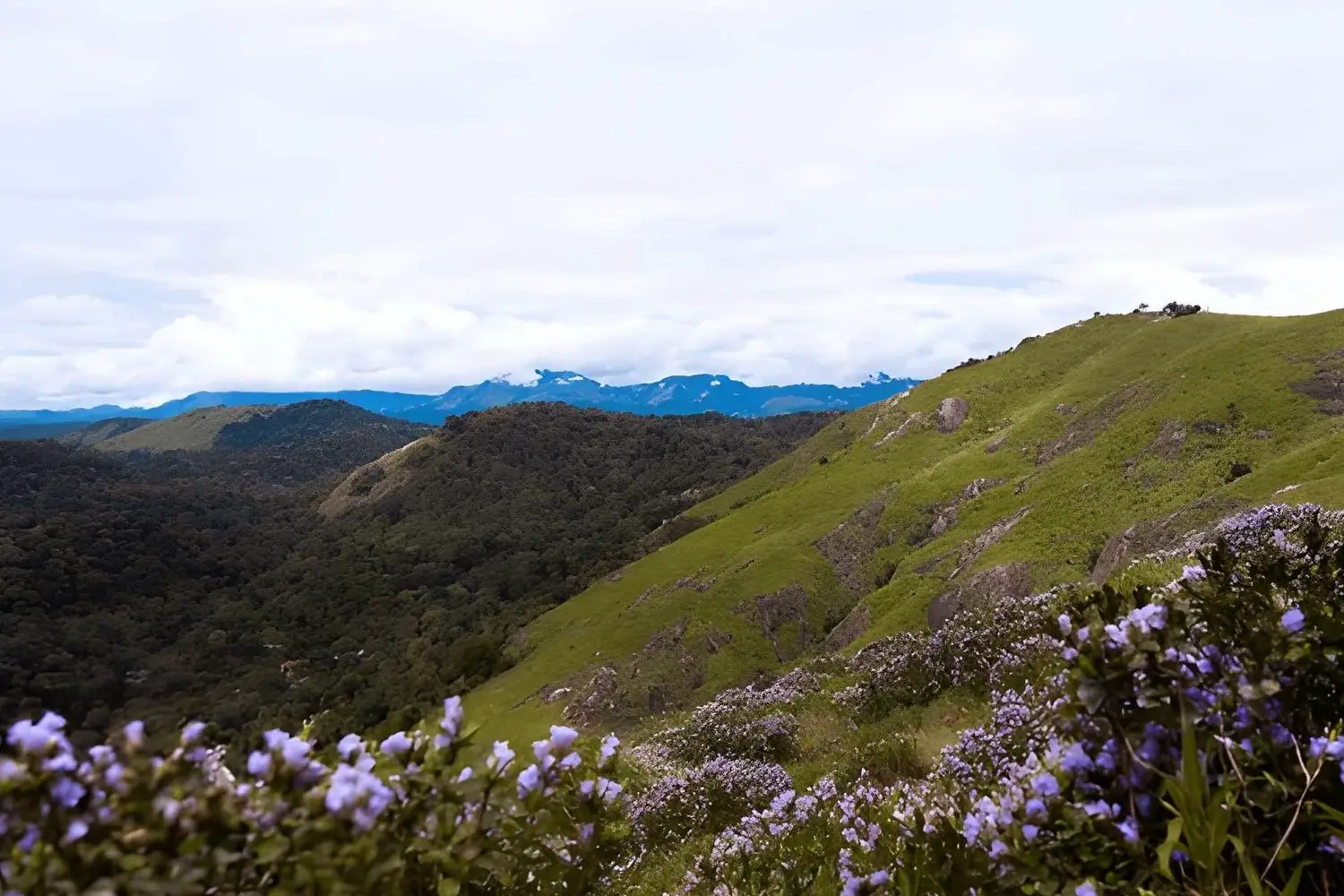
Neelakurinji has a rather unusual life cycle. The plants spend years growing on the hills before suddenly flowering in large numbers at roughly 12-year intervals. Once they bloom and produce seeds, the plants die, leaving behind the next generation to grow over the years.
That long gap is what makes a Neelakurinji bloom such a rare sight. A hillside covered in these flowers is not something you can expect to see every monsoon or even every few years, which is also why travellers plan well ahead when a major flowering season is announced.
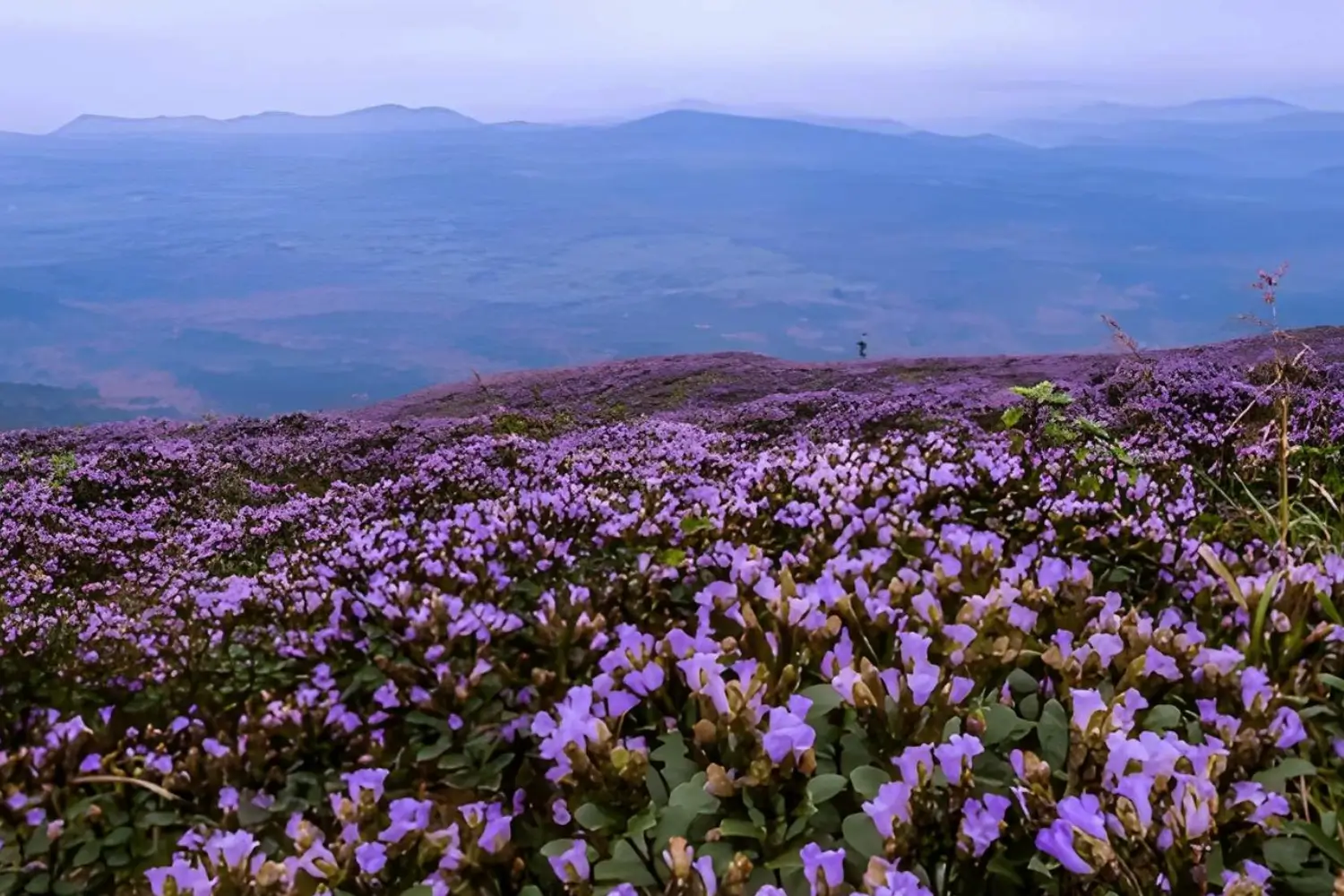
The Neelakurinji season in Munnar began in August 2026, with the flowering expected to become more noticeable through September. At Chokramudi, the first week of September was expected to bring the peak bloom, although the timing can differ from one hillside to another depending on rainfall and weather conditions.
If you are planning a trip around the Neelakurinji bloom in Munnar, it is better to check the latest flowering updates and visitor access before you leave. The flowers do not follow an exact calendar, and conditions on the hills can change quickly.
Visit the following links to get more information on Kerala travel & tourism.
 Kerala Tourism